
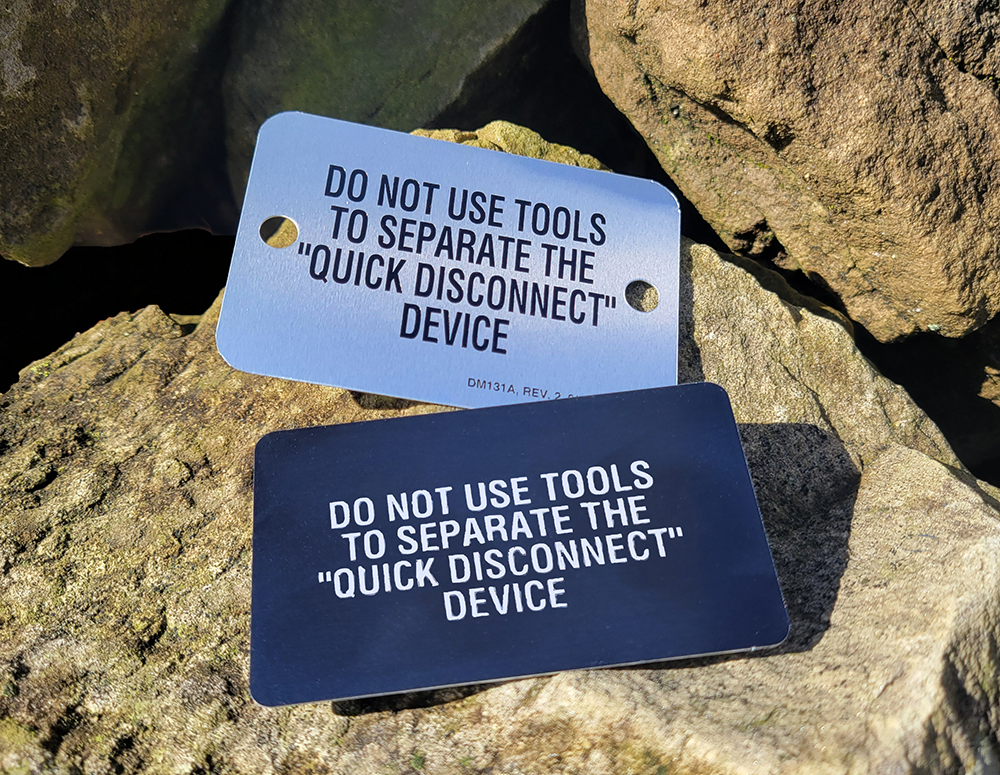
Aluminum is already a trusted material in industrial applications—but when equipment is exposed to heat, chemicals, vibration, and outdoor weather, the surface treatment of that aluminum nameplate can determine whether it lasts months or decades. The difference between raw aluminum and anodized aluminum nameplates isn’t just cosmetic, it’s critical to performance and longevity.
In this blog, we’ll break down the anodizing process, why it outperforms standard aluminum, and environments that are well suited for anodized aluminum nameplates.
What is the Difference Between Raw Aluminum and Anodized Aluminum?
Aluminum in its natural form typically features a brushed or mill finish and is commonly used in a wide range of applications. Compared to anodized aluminum, untreated aluminum offers a few notable advantages. It is cost‑effective, making it ideal for high‑volume, indoor applications. Its natural appearance delivers a classic metallic look, and it is easier to cut, stamp, or form than anodized aluminum since there is no hardened surface layer that could crack during fabrication.
However, when exposed to moisture, raw aluminum is prone to oxidation, which can lead to dulling or the formation of “white rust” over time. Natural aluminum is also relatively soft, making it more vulnerable to scratches, dents, and general wear compared to aluminum that has undergone surface treatment.
Anodized aluminum features a hardened outer layer created through an electrochemical process that bonds protection directly into the material. This sealed surface increases scratch resistance and protects against everyday wear and tear.
With the differences between raw and anodized aluminum established, let’s take a closer look at how the anodization process works—and why anodized tags consistently outperform standard aluminum nameplates in demanding industrial environments.
How the Anodized Aluminum Process Works: Step-by-Step
Anodizing is an electrochemical process that converts the metal surface into a decorative, durable, and corrosion-resistant anodic oxide finish.
- Cleaning: The aluminum is dipped in a chemical bath to remove all dirt and the metal’s natural “skin.” This leaves the surface completely raw and ready for the reaction.
- The Electric Bath: The metal is placed in an acid tank and hit with a controlled electric current. This forces a thick, sapphire-hard layer of oxide to grow directly out of the aluminum surface.
- Creating the Pores: As that hard layer grows, it naturally forms millions of microscopic “holes” or pores. These act like tiny sponges that are ready to soak up ink or dye.
- Sealing: The aluminum is “cooked” in very hot water. This causes the metal to swell, which pinches the pores shut. This step locks in the finish and makes the surface nearly impossible to scratch or peel.
This electrochemical transformation creates a finish harder than tool steel, offering a level of wear resistance that raw aluminum simply cannot match. Now that you understand how the process works, let’s explore why this specific surface treatment is the gold standard for nameplates operating in harsh industrial environments.
The Benefits of Anodized Aluminum Nameplates for Heavy Machinery
Anodized aluminum is the smart choice for equipment that must endure demanding settings. Whether you’re mounting nameplates to aircraft engines or labeling exterior electrical panels, your hardware faces harsh conditions that would quickly degrade standard materials.
This specialized treatment builds a superior surface that thrives under pressure. By reinforcing the metal’s surface integrity, it provides a boost in resistance to scratches, dents, and everyday industrial abrasion. This lasting legibility safeguards operators against the hazards of obscured information and ensures your equipment meets strict compliance standards throughout its entire service life.
Moisture, washdowns, and outdoor exposure are also concerns in industrial environments. The sealed surface of anodized aluminum makes it easier to clean and maintain as it won’t react with elements that could stain or corrode it.
In its raw state, aluminum is already an impressive material—lightweight, highly malleable, and an excellent conductor of heat and electricity. It is naturally resistant to corrosion because it forms a thin, protective oxide layer the moment it hits the air. However, the anodization process takes these organic properties even further, reinforcing that natural protection to create a significantly more durable and wear-resistant surface.
While anodized aluminum tags may be a higher initial investment, they undoubtedly provide the highest ROI for your project. The result is a sleek, professional finish with high-contrast colors that stand out—ensuring critical caution and warning messages remain visible for years to come.
Environments that Demand Anodized Aluminum
Aluminum equipment tags can be used across a wide range of applications, but the operating environment plays a key role in determining which material is best for your needs. Here is how to decide between raw and anodized aluminum:
- Office Equipment & Climate-Controlled Facilities: Standard aluminum is typically sufficient for indoor environments where exposure to moisture, chemicals, or abrasion is minimal.
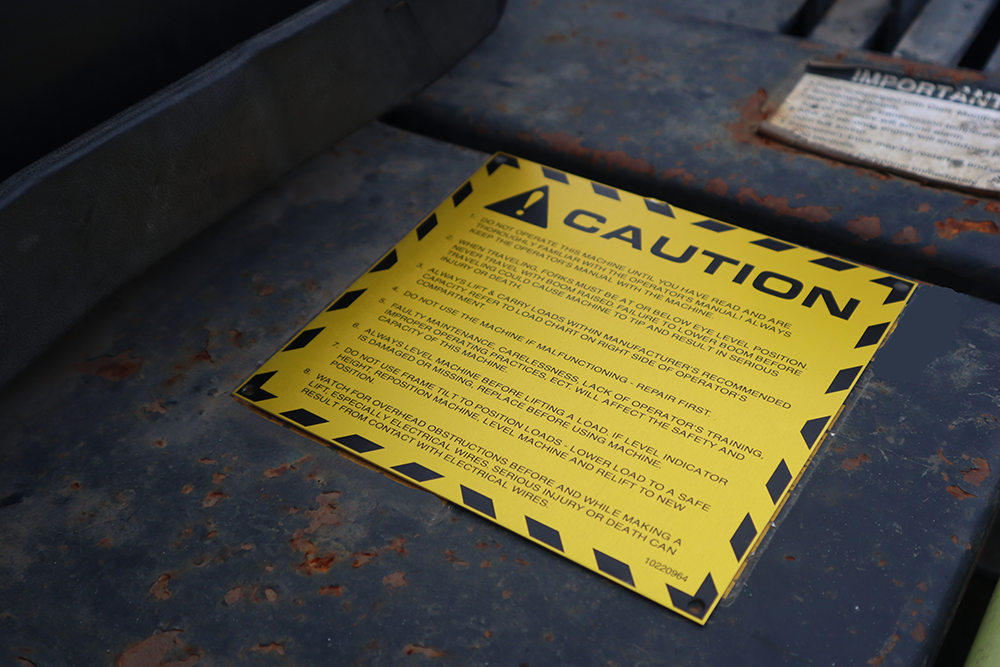
- Heavy Machinery & Construction: Anodized aluminum is the preferred option for equipment exposed to grease, hydraulic fluids, frequent handling, or prolonged UV exposure.
- Marine & Harsh Chemical Environments: Anodized aluminum thrives where standard aluminum tags fail. The specialized process prevents the rapid pitting, corrosion, and surface degradation caused by salt spray and hard cleaning agents.
The Bottom Line: If your application is sheltered and controlled, a standard aluminum tag offers a cost-effective solution. However, when a nameplate must withstand years of harsh use, anodizing is a non-negotiable investment in durability and long-term performance.
Frequently Asked Questions about Anodized Aluminum Nameplates
- How long will anodized aluminum nameplates last in outdoor environments?
While lifespan depends on the specific environment, anodized nameplates typically last 10 years longer than raw aluminum. When produced using high-performance methods like the Metalphoto® process, the life of the tag can exceed 20 years, even in extreme outdoor conditions.
- Can you get blank anodized aluminum nameplates?
Yes, you can order custom anodized aluminum nameplates without pre-printed graphics. At Roemer Industries, we provide blank tags in various sizes and thicknesses, allowing you to handle the on-site marking as needed.
- Can you engrave or etch anodized aluminum tags?
Absolutely! Anodized aluminum is an excellent substrate for both engraving and chemical etching. At Roemer, we specialize in chemical etching, which cuts precisely through the hardened anodic layer to create deep, high-contrast markings. This “recessed” approach ensures your text, logos, and graphics remain perfectly legible even if the surface is subjected to heavy abrasion or prolonged industrial wear.
Whether you need a custom-etched solution or blank tags for your own facility, we are here to help you find the perfect fit. Request material samples of our anodized aluminum tags so you can see the difference for your rugged environment.