
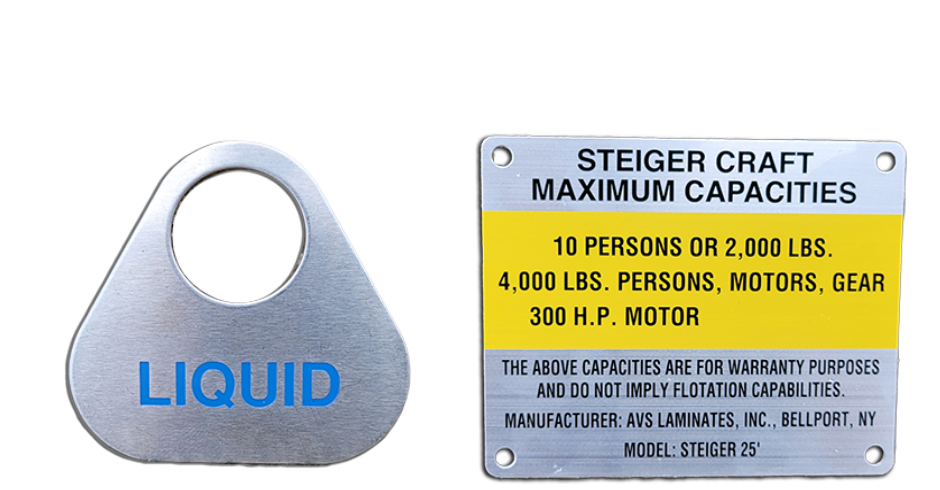
Not all metal nameplates are built to perform the same. When choosing metal tags for long-term use, the method behind the mark is just as important as the information it carries. That’s why it’s important to understand how different marking methods behave under real-world conditions. We’ll examine two key metal tag manufacturing methods in detail — their processes, key differences, and how each one impacts long-term durability.
What are the Best Industrial Printing Methods for Metal Equipment Tags?
A nameplate’s lifespan is a direct reflection of its manufacturing process. In the industrial world, durability typically boils down to two distinct paths: screen printing and chemical etching.
One relies on high-quality surface-layer ink, while the other carves the data directly into the substrate. Understanding this divide between surface printing and deep-material integration is essential for selecting a tag that can withstand real-world conditions.
Screen Printing: Delivering Vibrant Color and Cost-Effectiveness
Think of how a custom t-shirt is made; screen printing on metal uses a similar, high-precision process:
- Prepare the Screen: A fine mesh screen is prepared with a stencil of your design, blocking the areas where ink is not required.
- Apply the Ink: The screen is placed over the metal plate, and specialized, durable ink is pushed through the open areas of the stencil using a squeegee.
- Finish the Design: A crisp, clean layer of ink is applied directly onto the metal’s surface, creating the final design.
This manufacturing method is a cost-effective metal tag marking solution, especially for larger production runs. Due to it being an ink-based process, this technique offers visual flexibility that is difficult to achieve with other marking methods, making it a great choice or for projects that involve brand logos with specific color shades or multi-color printing on metal substrates.
Though these inks are specifically formulated for resilience, the print remains a surface-level application. This results in the design being more vulnerable to being scratched or worn down by heavy abrasion, or degraded by harsh chemicals over the products lifespan.
Screen-printed metal tags are an excellent choice for a wide range of indoor identification and organizational needs. They are perfectly suited for office equipment like laptops, server racks, and office furniture, where environmental stress is minimal. However, for high-traffic or rugged industrial applications—such as outdoor control panels, heavy construction equipment, or high-heat manufacturing components—a surface-level design may struggle to survive the product’s full operational lifetime.
Now that we’ve covered the process of screen-printing metal tags, let’s look at the next manufacturing method for permanent metal tags: chemical etching.
Chemical Etching: Providing Precision and Permanent Depth
While screen printing adds a layer of ink on top of a surface, chemical etching is the exact opposite. This method creates a physical recessed “valley” in the metal, offering an incredibly crisp, professional look. This depth isn’t one-size-fits-all; depending on the material thickness and the desired look, the etch depth can be adjusted to create anything from a subtle, sophisticated texture to a deep, rugged groove. Think of the recessed lettering on a metal building plaque or the fine details on a custom award —that’s the premium, tactile result of etched metal nameplates.
The chemical etching process for metal tags can be compared to a controlled sunburn. Instead of just blocking the sun, a precision stencil is created on the surface to control exactly where the material will be removed.
Here are the key steps involved in the etching process:
- Protect the Surface: First, the metal is coated with a light-sensitive layer called a “mask,” which acts as a protective barrier, or a powerful sunscreen.
- Expose the Design: A negative of your design is projected onto the mask with UV light, hardening the areas you want to protect.
- Wash Away the Stencil: The unhardened, unexposed parts of the mask are washed away, revealing the bare metal underneath.
- Etch the Metal: The metal is placed in a chemical bath that dissolves, or “etches,” only the exposed metal. The hardened mask protects the rest of the surface leaving it untouched.
- Clean and Finish: Finally, the protective mask is removed, revealing a design that is permanently carved into the metal.
Once the “valleys” are etched, you have two distinct finishing options: leave the etch unfilled for a subtle, monochromatic look that relies on the natural contrast of the metal, or fill the recessed areas with paint. This paint-fill method offers the best of both worlds—the vibrant visibility of a printed tag with the permanent, physical protection of an etched groove that shields the color from surface wear.
Since the design is physically part of the metal, it cannot be scratched or worn off — a huge advantage when weighing the pros and cons of chemically etched metal tags. This makes it the go-to choice for critical applications involving serial numbers, voltage ratings, and other crucial data.
Choosing the Right Method for Your Custom Metal Nameplates
Selecting the right marking method is a balance of environment, aesthetics, and budget. Use this quick-reference checklist to identify the best fit for your project’s specific needs.
Choose Screen Printing for Your Nameplates if:
- Your metal nameplates will be in a controlled environment, used indoors and away from heavy moisture or direct UV exposure.
- You want to incorporate vibrant, multi-colored artwork or logos.
- You want to maximize cost-efficiency and achieve reliable, application-specific durability.
Choose Chemical Etching for Your Nameplates if:
- The part must survive outdoors or endure frequent exposure to chemicals, salt spray, or moderate abrasion.
- Your design requires extremely fine lines, small text, or the maximum precision possible in industrial marking.
- The information on the plate must be permanent and unremovable to meet safety or regulatory compliance standards.
The Roemer Difference: Quality That Lasts
Deciding between screen printing and chemical etching is about more than just a manufacturing preference; it is a strategic choice that affects the longevity of your equipment and the professional image of your brand. Whether you need the high-contrast vibrancy of a printed logo for an office environment or the rugged, “valley-deep” durability of an etched tag for the oil field, selecting the right method ensures your data remains legible and your brand remains visible for years to come.
By choosing the right process for your permanent metal labels, you aren’t just applying information—you’re engraving a commitment to quality directly onto your product.